

Fast drying and soft clothing improve comfort during travel, sports, outdoor labor, and everyday routines.
Reduced drying time lowers odor buildup, supports hygiene, and simplifies laundry schedules.
Quick drying performance relies on moisture wicking, low absorbency, and rapid evaporation working together.
Softness depends on fiber structure, fabric construction, and fiber combinations used during manufacturing.
Balanced material selection delivers comfort, efficiency, and durability in demanding conditions.
That is why we want to talk about those materials in greater detail.
1. Polyester

Polyester delivers fast drying performance paired with strong structural stability, though odor retention can develop over time.
Moisture regain measures only 0.4%, which allows fabric to dry about 50% faster than cotton.
Sportswear, uniforms, travel garments, and base layers rely on polyester due to predictable behavior during repeated wear and washing.
Construction methods focus on airflow and moisture movement. Loose-knit patterns increase ventilation, while surface treatments help repel external moisture.
Comfort improves when polyester is paired with other fibers that soften texture and improve breathability.
Resistance to shrinking, wrinkling, and fading supports a consistent appearance during long-term use.
Drying speed performance has been measured under controlled conditions, showing the following results:
- Complete drying within 2 to 4 hours indoors
- Close to 1 hour drying time under direct sunlight
Fabric compositions often modify performance and comfort. Common options include:
- 80% polyester with 20% elastane for stretch and wrinkle resistance
- 50% polyester with 30% Tencel and 20% wool for improved softness and durability
Low-quality construction can create a plasticky feel and increased odor retention when no secondary fibers are present.
2. Nylon
Nylon provides fast drying behavior combined with very low moisture absorption and high abrasion resistance.
Nylon, alongside Polyester, is commonly used in modest swimwear due to its quick-drying performance, structural integrity, and lightweight feel, ideal for comfort and coverage in and out of the water.
Lightweight construction allows water to evaporate rapidly, often outperforming polyester in thin garments.
Activewear and travel clothing rely on nylon due to its flexibility, smooth surface texture, and low bulk.
Comfort feels silkier compared to polyester, with improved airflow and unrestricted movement.
Industrial uniforms, outerwear, and technical apparel benefit from strength without added weight.
Extended wear performance shows several measurable advantages, including:
- Rapid evaporation that reduces chafing and skin irritation
- Extremely low fabric weight that limits fatigue during long workdays or travel
Environmental exposure introduces limitations. UV light can cause yellowing over time, while odor retention and heat discomfort may appear during high temperature use.
3. Merino Wool
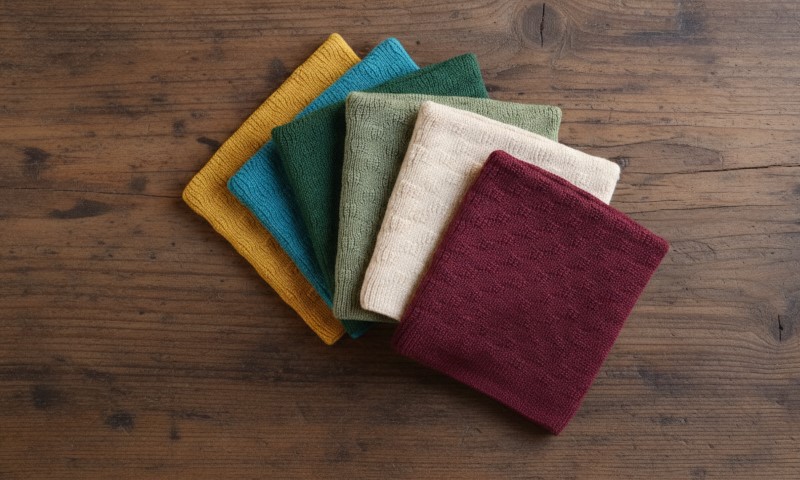
Merino wool offers exceptional softness and natural odor resistance, though drying speed remains slower than that of synthetic materials.
Fibers absorb up to 30% of body weight in moisture while maintaining a dry sensation against the skin.
Temperature regulation supports comfort in both warm and cold environments.
Hypoallergenic qualities, breathability, and wrinkle resistance improve wearability during extended use.
Natural odor control allows garments to remain fresh for as long as five days, supporting travel and demanding work schedules.
Performance observations reported across multiple sources show clear benefits:
- Reduced wetness sensation with continued warmth while damp
- Laundry frequency reduced by up to 60 percent when used as a base or mid layers
Fabric weight directly affects comfort and climate suitability:
- Below 170 GSM works well for summer wear or layering
- Around 250 GSM suits colder conditions
Material combinations further adjust performance:
- 40% merino with 60% Tencel creates smooth breathability
- 80% merino with 20% silk improves softness and shape retention
- 80% merino with 20% polyester increases durability and drying speed
Higher cost, pilling risk, gentle care requirements, and slower drying remain key tradeoffs.
4. Polypropylene
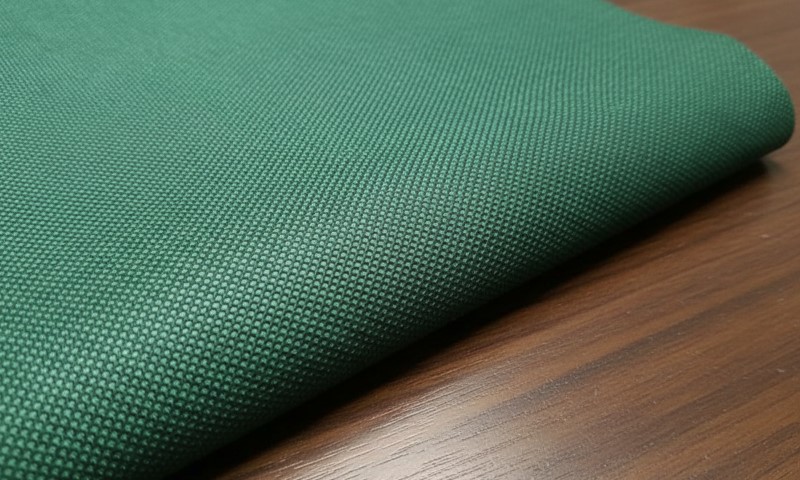
Polypropylene delivers the fastest drying performance among all reviewed materials.
Water absorption measures only 0.3% after 24 hours of immersion, allowing moisture to evaporate almost immediately.
Hydrophobic structure and dimensional stability prevent stretching or shrinking during use.
Texture feels less comfortable when used alone, yet performance improves significantly when paired with softer fibers.
Base layers, workwear, and clothing designed for hot environments frequently rely on polypropylene due to minimal moisture retention.
Measured performance characteristics include:
- Strong stain resistance is linked to low water absorption
- Breathability with reduced static buildup
- Rapid drying that supports comfort during heavy sweating
Poor dye absorption and limited softness without secondary fibers remain primary drawbacks.
5. Tencel (Lyocell)
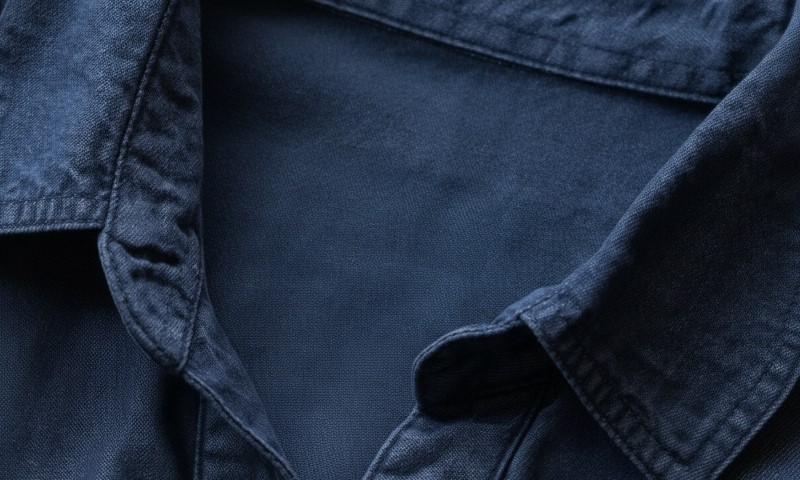
Tencel delivers exceptional softness combined with strong moisture control. Wood pulp-based fibers absorb about 50% more moisture than cotton while maintaining airflow.
Drying speed increases noticeably when paired with synthetic fibers or wool.
Surface feel compares to silk, offering smooth contact and gentle drape.
Travel clothing benefits due to improved packability and wrinkle resistance. Garment bulk decreases while comfort increases.
Observed performance improvements appear most clearly in specific fabric ratios:
- 50% merino paired with Tencel creates a silky texture with strong breathability
- 60% Tencel with 40% polyester supports wrinkle-free travel wear
Environmental advantages include closed-loop manufacturing, low emissions, and biodegradable fibers.
Heat sensitivity, shrinkage risk in hot water, and reduced durability when used alone require careful laundering.
6. Bamboo (Viscose or Bamboo Lyocell)
View this post on Instagram
Bamboo-based fabrics deliver a noticeably soft hand feel combined with strong breathability and moderate drying speed. Performance suits environments with frequent sweating, where comfort against skin matters as much as moisture control.
Moisture behavior plays a major role in bamboo fabric performance.
Fibers can absorb up to three times their own weight in water, while a naturally hollow structure helps move moisture away and release it through evaporation.
Fabric does not dry as fast as polypropylene or polyester, yet moisture spreads efficiently across the surface, reducing clamminess during wear.
Skin comfort remains a major advantage. Naturally smooth fibers reduce friction, making bamboo suitable for sensitive or irritation-prone skin. Hypoallergenic properties further support long wear periods without discomfort.
Bamboo kun compounds contribute to freshness by slowing bacterial growth, which directly impacts odor control between washes.
Thermal behavior adapts well across conditions. Cooling effects appear during high heat due to moisture evaporation, while insulating properties help retain warmth in cooler environments.
Observed workplace performance data shows practical advantages during demanding use, including:
- Reduced odor buildup during prolonged sweating
- Fewer required wash cycles during extended work periods
Structural limitations appear without reinforcement. Durability drops faster compared to synthetic fabrics, especially after repeated laundering.
Heat sensitivity can weaken fibers and distort shape over time.
Care practices directly affect lifespan. Tumble drying and high-temperature washing should be avoided, as heat exposure damages fiber integrity and accelerates wear.
Summary
Fabric choice depends on intended use. Travel favors merino and Tencel combinations or Tencel paired with polyester.
Workwear benefits most from polyester, nylon, or polypropylene. Hot climates perform well with bamboo, Tencel, or polypropylene.
Softest hand feel with reliable performance comes from merino and Tencel pairings. Fastest drying results appear with polypropylene or polyester.
Smart fiber combinations offer the best balance across comfort, drying speed, and garment lifespan.